
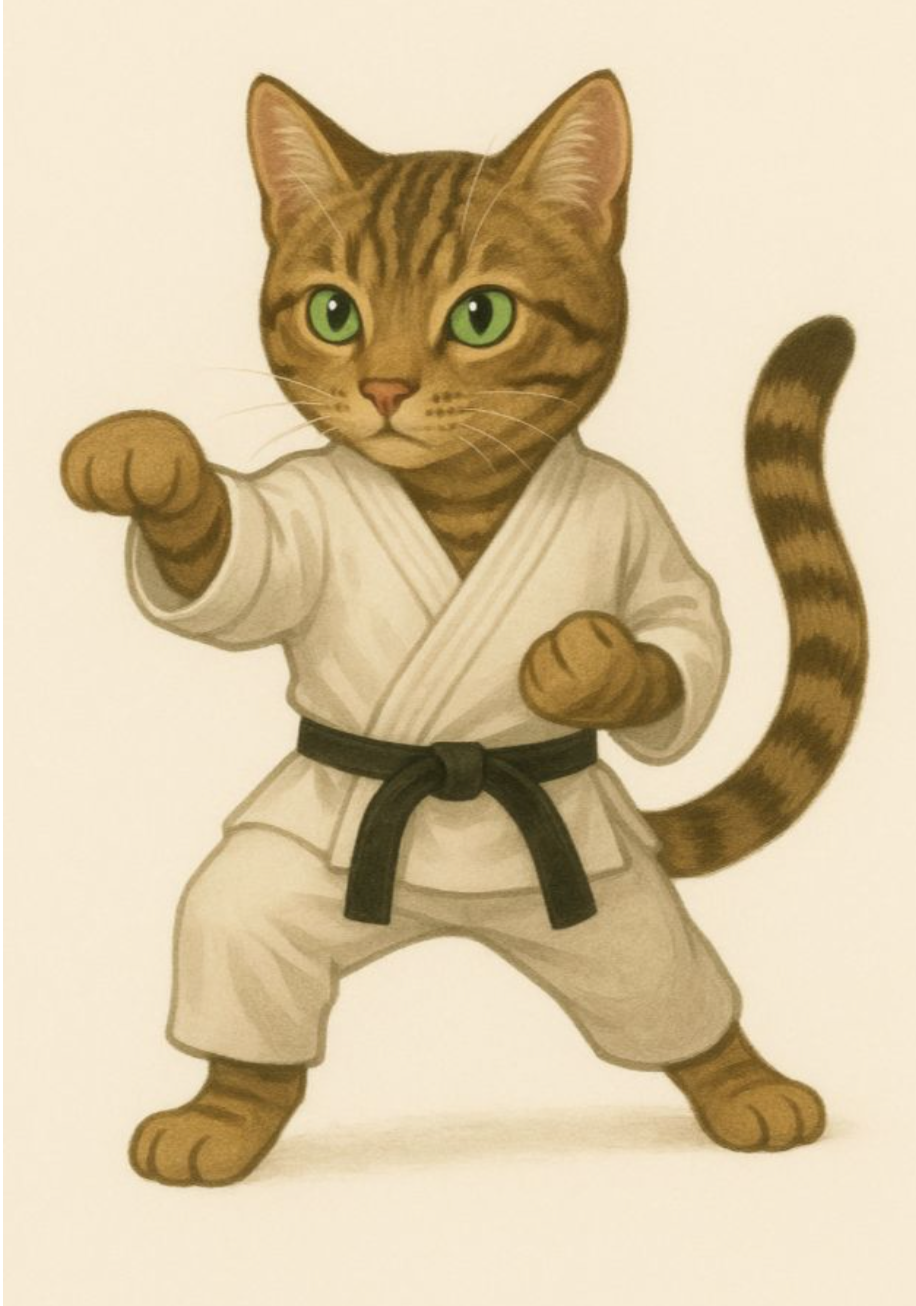
AI Tattoo design
The increase in AI usage for tattoo inspiration stems from a combination of speed, personalisation, and a desire for unique visuals in an era where social media has made "copy-paste" tattoos feel less special. AI has moved from a novelty to a standard consultation tool, with many clients arriving at studios with polished, AI-generated references rather than vague Pinterest boards.
Here is a breakdown of why this trend is accelerating, how realistic the results are, and the significant issues involved.
The Increase in AI for Tattoo Inspiration
Speed and Iteration: AI tools generate dozens of concept variations in seconds, allowing clients to explore styles, placements, and motifs far faster than traditional sketching.
Hyper-Personalisation: AI allows users to combine niche interests into unique concepts that wouldn't exist in traditional flash books.
Visualising Placement: Some AI tools allow users to upload photos of their own bodies to see how a design might look in a specific placement, accounting for lighting, perspective, and skin tone.
Artist Adoption: Some professional artists may use AI as a "rapid prototyping" tool during consultations to bridge the gap between a client’s abstract idea and a workable sketch. This may have reduced some of the stigma around AI within the industry, opting for brainstorming rather than a replacement.
How Realistic Are AI Images for Actual Tattoos?
Short answer: They are often misleadingly realistic.
AI images are generated on flat, high-resolution digital canvases. They do not account for the biological and physical realities of skin. While an AI image might look stunning on a screen, it often fails to translate directly to a tattoo for several reasons:
Line Weight and Spacing: AI frequently generates intricate details with lines that are too thin or spaced too closely. On skin, ink spreads (blows out) over time. Fine details that look crisp in an AI image often blur into a muddy blob within a few years. This is why Artists prefer to draw the design.
Contrast and Color: AI tends to use soft gradients and pastel tones that look delicate digitally but lack the contrast needed to remain visible on skin. Tattoos require higher contrast and bolder lines to age well. AI-generated "fine line" work often lacks the structural integrity to survive the healing process.
Anatomy and Flow: AI does not understand muscle structure, bone contours, or how skin stretches. A design that looks balanced on a flat image may distort awkwardly when placed on a curved body part like a ribcage or knee for example.
The Detail: AI can produce hyper-realistic textures (like fur or water) that are impossible for a tattoo needle to replicate with the same fidelity. Attempting to tattoo these exact details often results in a disappointing, less-defined outcome.
Cons and Risks of Using AI for Tattoo Designs
Lack of Technical Feasibility: The biggest risk is that AI ignores tattooing techniques. It might suggest a design with no clear line work, relying on shading that won’t hold up, or colors that will fade unevenly. Without an artist’s intervention to "translate" the AI image into tattoo-friendly line work, the result can be poor.
Homogenisation and "AI Aesthetic": As more people use the same AI models, a distinct "AI look" is emerging—often characterised by overly smooth, glossy, or generic surrealism. This can make tattoos feel less unique and more like mass-produced.
Ethical and Copyright Concerns: AI models are trained on vast datasets of existing art, often without the consent or compensation of the original artists. Using AI to generate a design may inadvertently plagiarize the style or specific elements of living artists, raising ethical questions about credit and ownership.
Anatomical Errors: AI often struggles with hands, eyes, and symmetrical features, producing subtle distortions that are easy to miss on a small screen but glaring once tattooed.
Over-Reliance on Trends: AI is trained on current internet data, meaning it heavily favours trending styles. This can push clients toward trending designs that may not suit their personal style or may age poorly, rather than timeless pieces.
Things to consider if You Use AI for Inspiration
Use it as a Starting Point, Not a Final Draft: Treat AI images as mood boards or concept sketches. Share them with your artist and ask for their opinion and advice. These should be treated as a reference for vibe and composition, not as a stencil to be traced.
Trust the Artist’s Adaptation: A good tattoo artist will take your AI reference and redraw it, adjusting line weights, spacing, and flow to suit your body and ensure longevity. If an artist agrees to tattoo an AI image exactly as-is without modification, be cautious.
Focus on Timeless Elements: Avoid overly intricate, tiny details in AI generations. Opt for designs with clear shapes, bold lines, and high contrast, which age better.
Discuss Placement Early: You can use AI to explore how a design might fit your body, but always get a second opinion from your artist on how the design will interact with your muscle structure and skin texture.
AI is a powerful brainstorming tool that can accelerate the creative process and help visualise ideas. However, it is not a substitute for the technical expertise, anatomical knowledge, and artistic judgment of a professional tattoo artist. The best results come from a collaboration. We offer free consultations and can discuss your design ideas and bring them to life.
You may also like…
-
![Your first tattoo]()
Your First Tattoo
Considering your first tattoo? Hear from those recently in the same position to help guide your decision or put any fears at ease.
-
![Constellation tattoo]()
My Tattoo Healing Experience
Learn from one of our valued customers on how they navigated an effective healing experience.
-
![Eagle tattoo]()
Tattoo Styles
Explore all the different types of tattoo to find the perfect style for you.


